Cipher methods Pop culture
Aurebesh (Star Wars)
Aurebesh is the official alphabet of Galactic Basic, the dominant interplanetary language in the Star Wars universe. It was designed by Stephen Crane for the publisher West End Games in 1993, as part of the Star Wars Miniatures Battles Companion, and adopted by Lucasfilm as official canon starting with the prequel films (1999–2005).
Its name derives from the first two letters of the alphabet: Aurek (A) and Besh (B), much like alphabet comes from alpha and beta.
How does Aurebesh (Star Wars) work?
Aurebesh is a 1:1 monoalphabetic substitution on the 26-letter Latin alphabet. Each letter A-Z maps to a unique angular geometric glyph, designed to evoke a high-tech sci-fi aesthetic.
The 26 glyphs
Each A-Z letter has a unique geometric glyph, whose name (Aurek, Besh, Cresh…) is borrowed from a fictional Basic word.
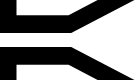

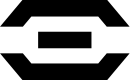



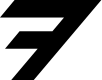

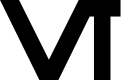

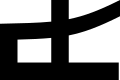

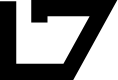

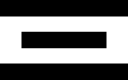



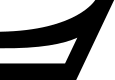

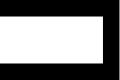



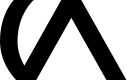

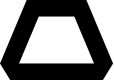



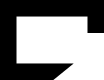



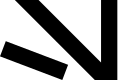

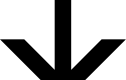

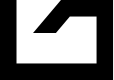



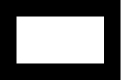

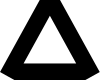

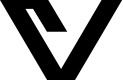

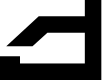

A few specialised digraphs also exist for Basic-specific sounds: Ch, Sh, Th, Ae, Eo, Kh, Ng, Oo. They mostly appear in decorative film signage.
The digits 0–9
Aurebesh also ships a set of ten digits for numerals.


Visual style
Aurebesh glyphs follow a strict geometric rule:
- No curves (every shape uses sharp angles).
- Vertical, horizontal and 45° diagonal lines only.
- Occasional symmetry (vowels tend to be more symmetric than consonants).
- Drawable by hand with a ruler and a set square.
The aesthetic was inspired by set inscriptions from A New Hope (1977), where invented symbols already showed up on Imperial cockpit screens — without a formalised system at the time.
In-universe use
Aurebesh appears:
- On every cockpit screen of Star Wars ships since The Phantom Menace (1999).
- In architectural inscriptions across planets (Coruscant, Tatooine, Naboo).
- On the datapads used by characters — often translated as captions on screen.
- In Star Wars video games (KOTOR, Battlefront, Jedi: Fallen Order).
- In Disney attractions: the signage at Galaxy’s Edge at Disney parks is written in functional Aurebesh.
Why isn’t Aurebesh (Star Wars) really a cipher?
Aurebesh is a public substitution alphabet, not a secrecy device. Its table is:
- Documented in every Star Wars guide since 1993.
- Available as free computer fonts (Aurebesh Std, Aurebesh AF).
- Readable by any average fan with 30 seconds of effort.
Its security against a cryptanalyst is nil. Its value is:
- Aesthetic: an iconic visual code of the franchise.
- Pedagogical: an excellent introduction to monoalphabetic substitution for younger audiences.
- Playful: escape rooms, board games, themed puzzles.
Star Wars variants
The Star Wars universe also features several other alphabets, all monoalphabetic substitutions:
- Galactic Standard — a less angular variant, curves allowed.
- Outer Rim — a rustic alphabet from outlying planets.
- High Galactic — an alphabet reserved for nobility and Jedi.
- Tion Hegemony — a regional alphabet.
And several standalone languages: Huttese (spoken by Jabba), Sith (an ancient alphabet), Mando’a (Mandalorians) — each with its own substitution table.
Got glyphs but don't know which cipher? Compare them visually. Identify by symbol